Research updates
A book goes out of date the day it is printed. This is how I keep it current: new colorectal cancer research, read, filtered and written up in plain language.
How these are chosen
Every week I search Europe PMC, which covers PubMed and the medRxiv preprint server in one index, across the topics the book is built on: recurrence prevention and screening, diet and lifestyle, the supplements and repurposed drugs, and the microbiome.
Most of what comes back is not worth your time, so every abstract is scored for whether a patient or a clinician would actually gain anything from it, and the rest is dropped. What survives gets written up with the study design stated at the top, the numbers that matter, the limitations, and a link to the source so you can check my reading against the paper. Preprints are labelled as preprints, because they have not been peer reviewed.
I never republish an abstract. Everything here is my own synthesis, written to be readable by the person it concerns rather than by a specialist.
These summaries are education, not medical advice. A single new study rarely changes what you should do, and the ones that sound most dramatic are usually the ones that replicate least. Discuss anything here with your oncology team before acting on it.
-

Higher nitrite intake was linked to colorectal cancer in men
Among 82,009 Swedish adults followed from 1998 to 2022, men in the highest fifth of estimated nitrite intake had a 23% higher rate of colorectal cancer than those…
-
Adding irinotecan brought more side effects without improving rectal cancer outcomes
At 36 months, disease-free survival was 68% with irinotecan plus capecitabine chemoradiotherapy and 67% with capecitabine chemoradiotherapy alone, hazard ratio 0.91 (95% CI 0.68–1.23). This phase 3 randomised…
-

Adding sidewall node surgery may raise urinary problems after rectal treatment
Across 11 studies involving 2,069 people, adding lateral lymph node dissection to chemoradiotherapy and standard rectal surgery was associated with higher odds of urinary dysfunction, OR 5.94 (95%…
-
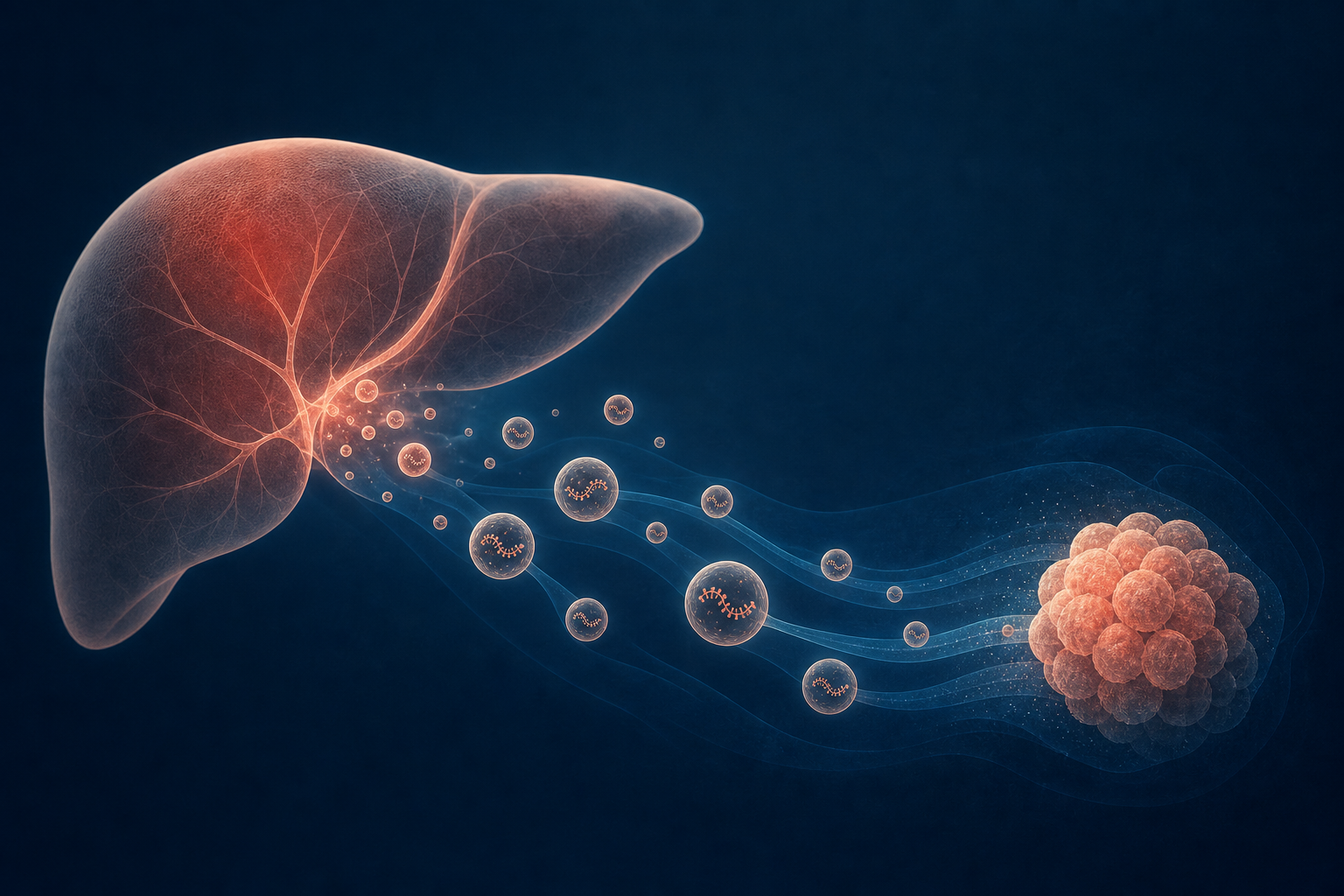
A liver-made RNA package shrank some mouse bowel tumours
In three orthotopic mouse models of colorectal cancer driven by KRAS G12D, G12V or G13D mutations, a treatment designed to make the liver release tumour-targeted RNA packages suppressed…
-

Potential new drug target could make oxaliplatin work better
In colorectal cancer cells, patient-derived organoids and mouse models, removing Tex10 made tumors more sensitive to oxaliplatin. Gemcitabine monophosphate bound Tex10 with a reported dissociation constant of 3.51…
-

Live gut microbes are being explored alongside colorectal cancer treatment
This review describes live biotherapeutic products, medicines made from living gut microorganisms, as a possible way to influence immunity, microbial balance and treatment response in colorectal cancer. The…
-

The Robot Advantage in Rectal Cancer Surgery
In a Chinese randomised trial of 1,171 people with middle or low rectal cancer, robotic surgery was linked to 1.6% locoregional recurrence at three years versus 4.0% after…
-

Positive FIT? Don’t Skip the Colonoscopy!
Among 45,598 adults with a positive fecal immunochemical test, 17,727 had a colonoscopy within a year. After matching patients on recorded characteristics, colonoscopy completion was associated with lower…
-
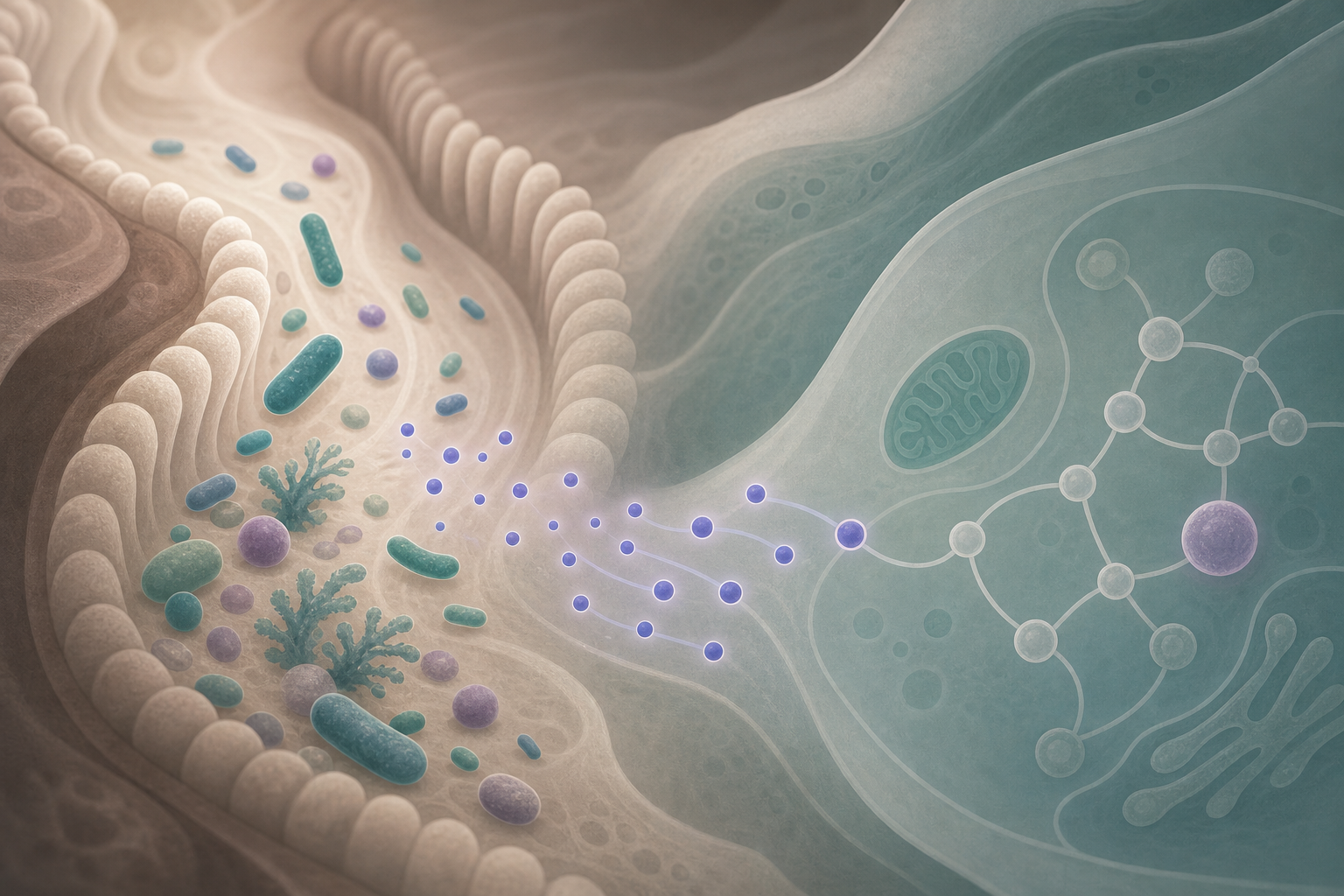
A gut bacteria chemical slowed colorectal tumors in obesity models
In experimental animal models, oral GABA supplementation and recolonisation with GABA-producing Bacteroides ovatus reduced tumour burden linked to a high-fat diet or obesity-associated colorectal cancer microbiota. The work…
-

Starting chemotherapy sooner after surgery was linked to longer survival
Across 11 observational cohort studies involving 72,873 people, starting postoperative chemotherapy more than 8 weeks after surgery was associated with a higher risk of death than starting within…
Keep up with the research
New colorectal cancer research, screened and explained in plain language, sent when there is something genuinely worth reading. Roughly monthly, never more than that.
One email when there is something worth reading, usually monthly. No advertising, no selling your address, unsubscribe in one click.