Welcome
From one colorectal cancer patient to another
I am a molecular biologist, and I was diagnosed in my late thirties. This is where I put what the evidence actually says about what you can do alongside standard treatment: new research explained in plain language, and the book I wish someone had handed me on day one.
-

Higher nitrite intake was linked to colorectal cancer in men
Among 82,009 Swedish adults followed from 1998 to 2022, men in the highest fifth of estimated nitrite intake had a 23% higher rate of colorectal cancer than those…
-
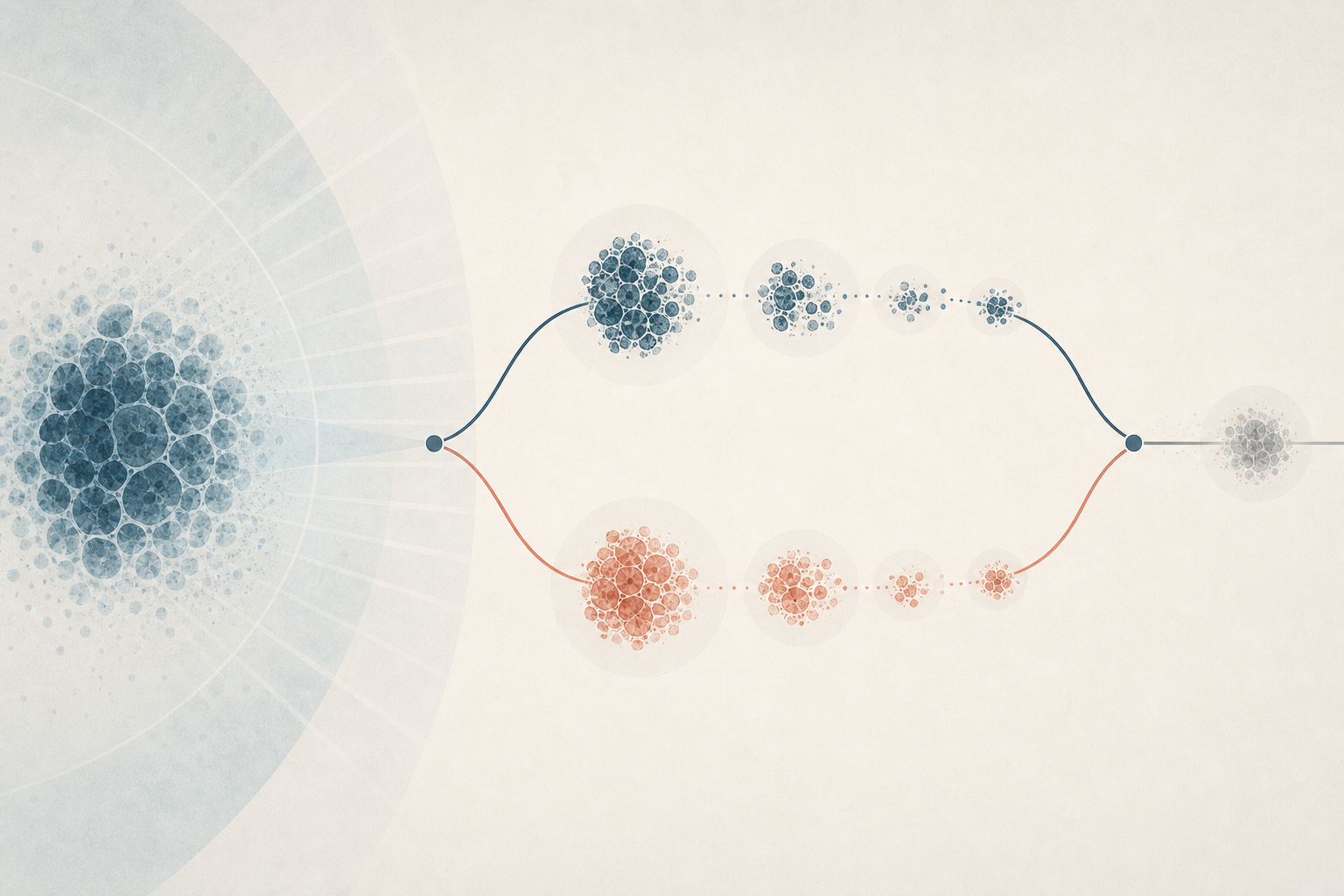
Adding irinotecan brought more side effects without improving rectal cancer outcomes
At 36 months, disease-free survival was 68% with irinotecan plus capecitabine chemoradiotherapy and 67% with capecitabine chemoradiotherapy alone, hazard ratio 0.91 (95% CI 0.68–1.23). This phase 3 randomised…
-

Adding sidewall node surgery may raise urinary problems after rectal treatment
Across 11 studies involving 2,069 people, adding lateral lymph node dissection to chemoradiotherapy and standard rectal surgery was associated with higher odds of urinary dysfunction, OR 5.94 (95%…
-
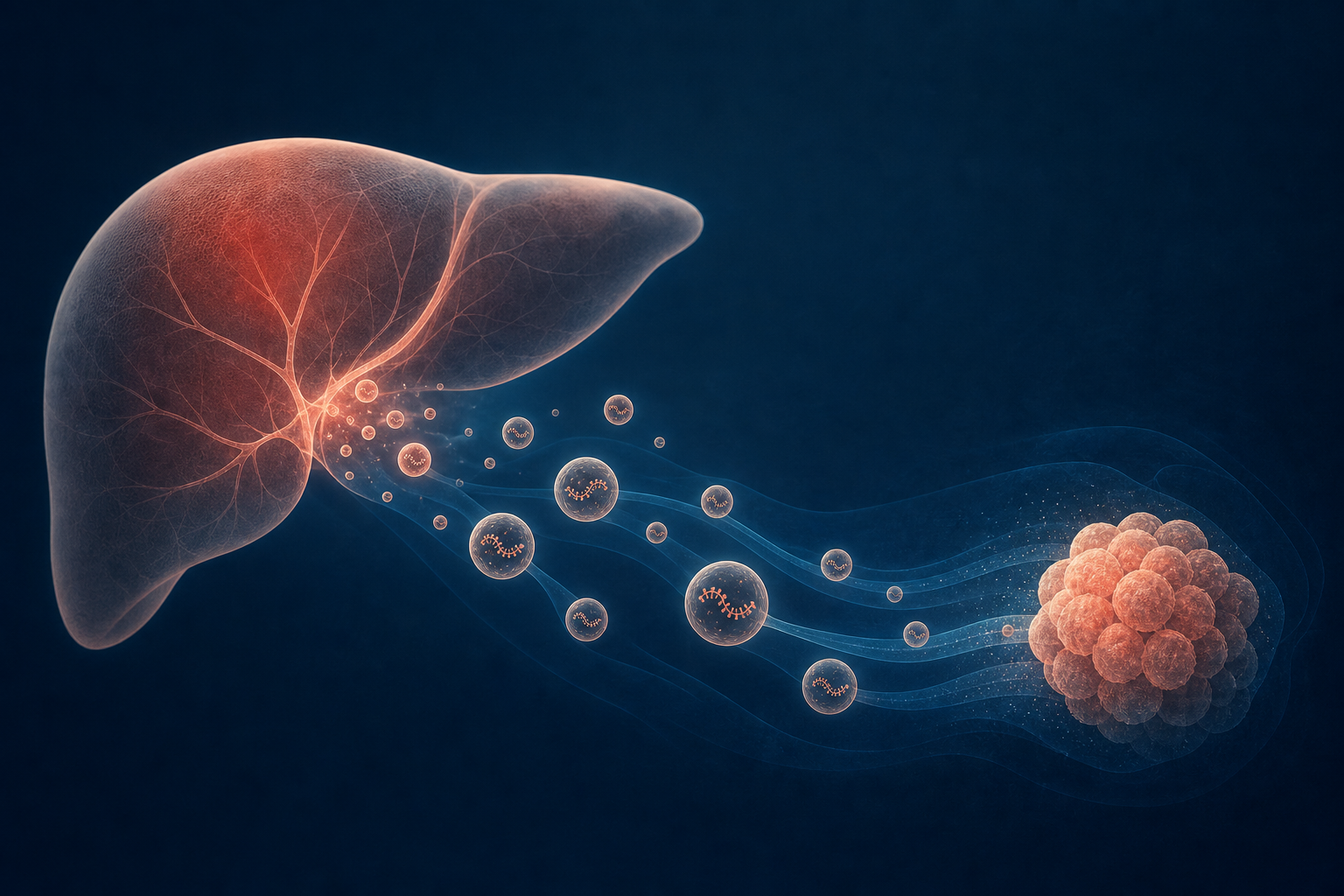
A liver-made RNA package shrank some mouse bowel tumours
In three orthotopic mouse models of colorectal cancer driven by KRAS G12D, G12V or G13D mutations, a treatment designed to make the liver release tumour-targeted RNA packages suppressed…
-
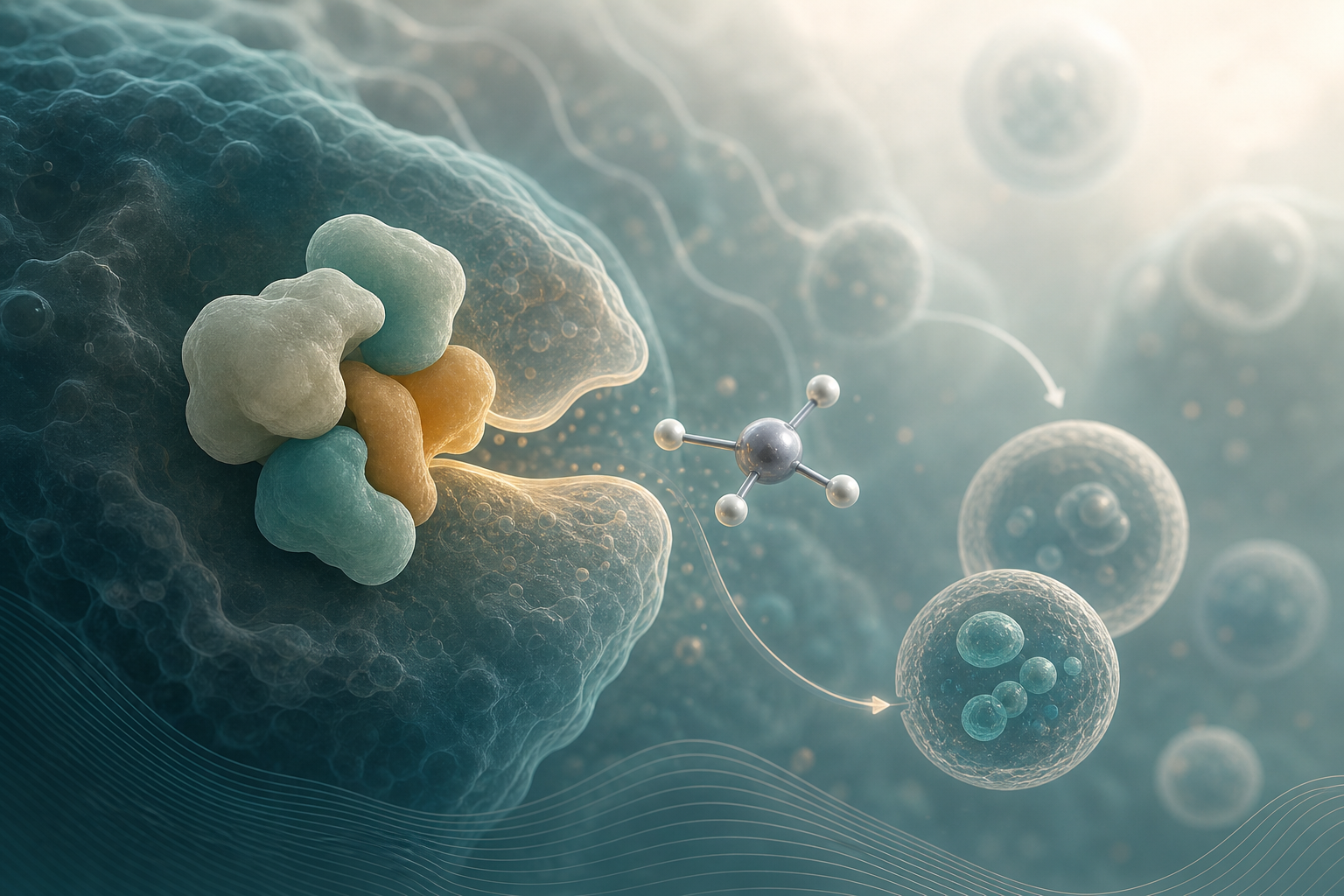
Potential new drug target could make oxaliplatin work better
In colorectal cancer cells, patient-derived organoids and mouse models, removing Tex10 made tumors more sensitive to oxaliplatin. Gemcitabine monophosphate bound Tex10 with a reported dissociation constant of 3.51…
-
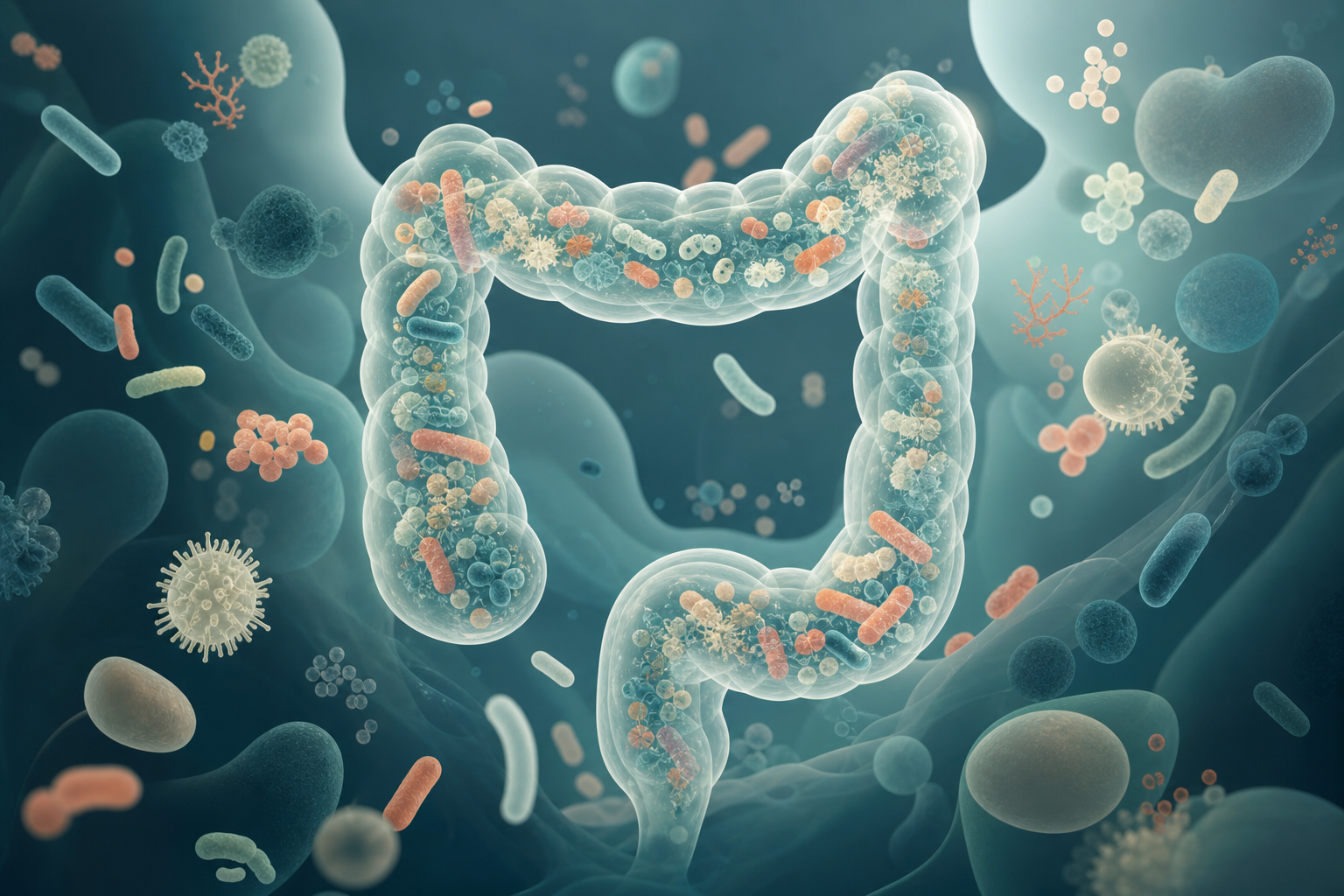
Live gut microbes are being explored alongside colorectal cancer treatment
This review describes live biotherapeutic products, medicines made from living gut microorganisms, as a possible way to influence immunity, microbial balance and treatment response in colorectal cancer. The…
These summaries are education, not medical advice. A single new study rarely changes what you should do. Discuss anything here with your oncology team before acting on it.
Treatments being tested
Trials open to people with bowel cancer
Live records from the public trial registry, re-checked against it every day or two. Not recommendations — a starting point for a conversation with your own oncology team.
397 trials
Recruiting nowPhase 3
A Study of Amivantamab and mFOLFOX6 or FOLFIRI Versus Cetuximab and mFOLFOX6 or FOLFIRI as First-line Treatment in Participants With KRAS/NRAS and BRAF Wild-type Unresectable or Metastatic Left-sided Colorectal Cancer
Recruiting nowPhase 3
A Study of Amivantamab and FOLFIRI Versus Cetuximab/Bevacizumab and FOLFIRI in Participants With KRAS/NRAS and BRAF Wild-type Colorectal Cancer Who Have Previously Received Chemotherapy
Recruiting nowPhase 3
Phase III Study of Ivonescimab or Bevacizumab Combined With FOLFOX in Patients With Metastatic Colorectal Cancer
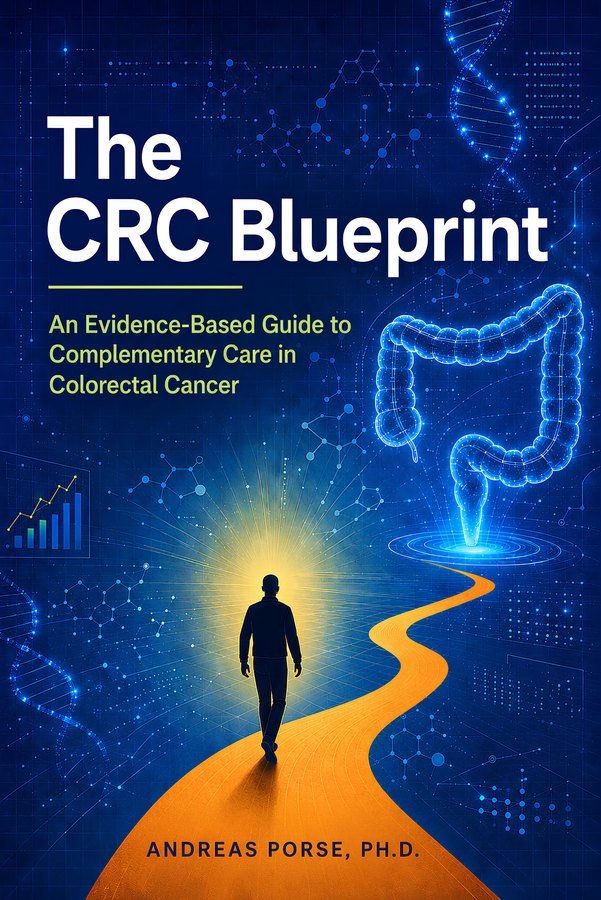
The book behind this site
The Colorectal Cancer Blueprint
What the evidence actually supports alongside standard treatment, with every recommendation graded for evidence quality, effect size and safety.
Written by Andreas Porse, a molecular biologist who is also a colorectal cancer patient. Most people leave surgery and chemotherapy without being told that diet, exercise, supplements and a handful of common pharmacy drugs can move their recurrence risk. This book closes that gap, and is honest about where the evidence is thin.
- 31chapters
- 360+studies cited
- 60+illustrations
- 579pages, Kindle edition
Figures from the book and the complete contents are on the book page.
Keep up with the research
New colorectal cancer research, screened and explained in plain language, sent when there is something genuinely worth reading. Roughly monthly, never more than that.
One email when there is something worth reading, usually monthly. No advertising, no selling your address, unsubscribe in one click.